Cinnamon (Ceylon)
Cinnamomum verum, family Lauraceae. Part discussed: Inner bark.
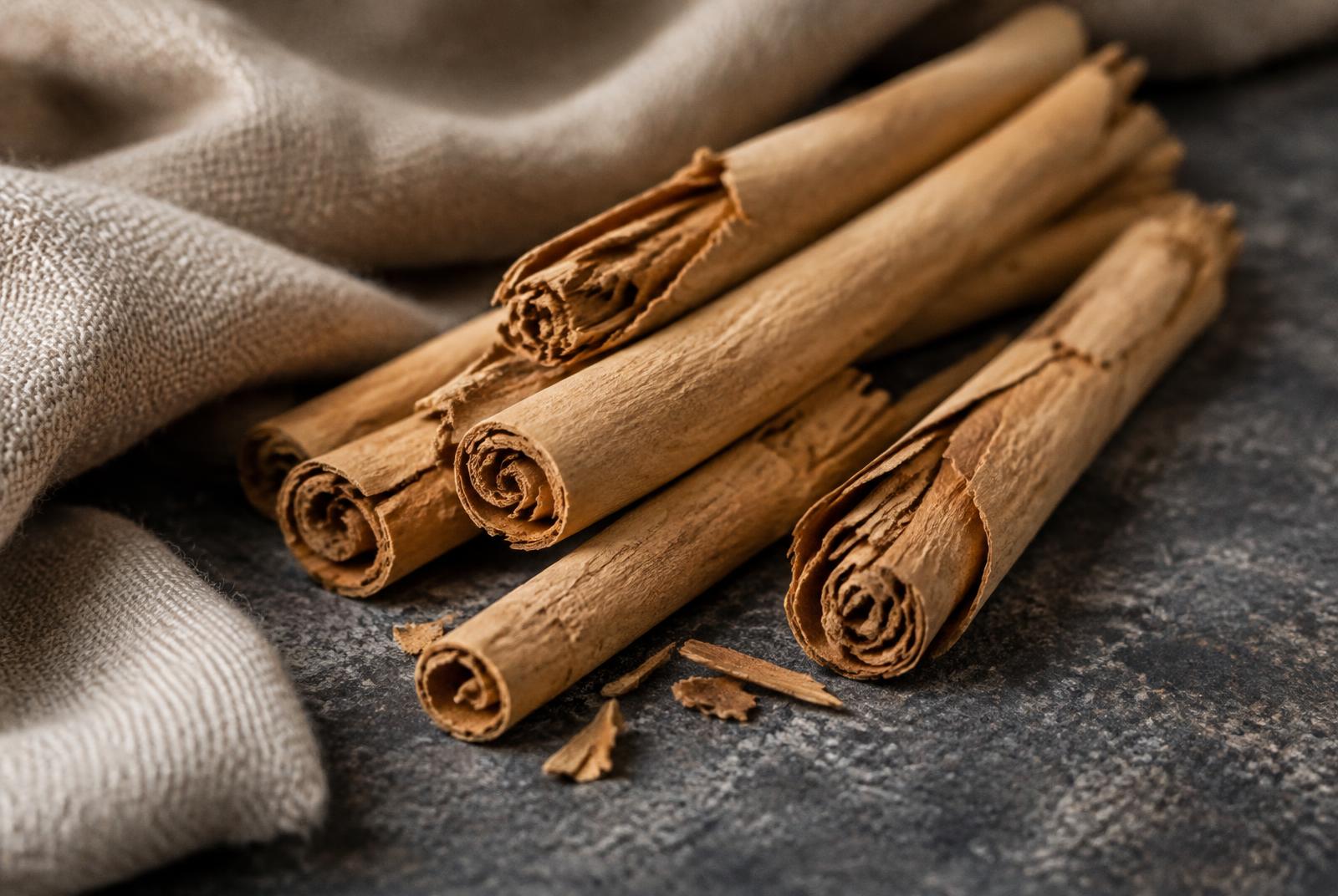
Identity
- Common name
- Cinnamon (Ceylon)
- Botanical name
- Cinnamomum verum
- Family
- Lauraceae
- Part or material
- Inner bark
- Classification
- Botanical
- Educational category
- Culinary Botanicals
About
Cinnamomum verum J.S.Presl, Lauraceae, bark. The EMA monograph covers C. verum syn. C. zeylanicum bark. NCCIH covers both C. verum (Ceylon) and C. aromaticum (cassia) and notes products often do not state species or part.
Forms and distinctions
Bark only.
Safety considerations
Larger or prolonged amounts are sometimes associated with gastrointestinal problems or allergic reactions; coumarin in cassia cinnamon has reported liver interactions and prolonged cassia use could be an issue for people with liver disease; topical cinnamon oils and powders may cause skin irritation or contact dermatitis; Ceylon cinnamon in larger amounts during pregnancy is considered unsafe; dry-powder ingestion, the "cinnamon challenge," can cause serious harm. EMA monograph safety text was not extracted.
Part of this record is still being confirmed with its issuing authority. What is published is what the sources carry, and nothing more.
References
- EMA HMPC Cinnamomi cortex · European Medicines Agency, herbal medicine monograph
- NCCIH Cinnamon · US National Center for Complementary and Integrative Health
This entry is educational. It is not medical advice, not a diagnosis, and not a statement about any Pam Oh Herbs Collection or its contents. It carries no dosage and no claim of effect.