Botanical Library
A reference, not a recommendation. Each entry states what is known, how strongly it is known, and where that knowledge comes from. Nothing here tells you what to take.
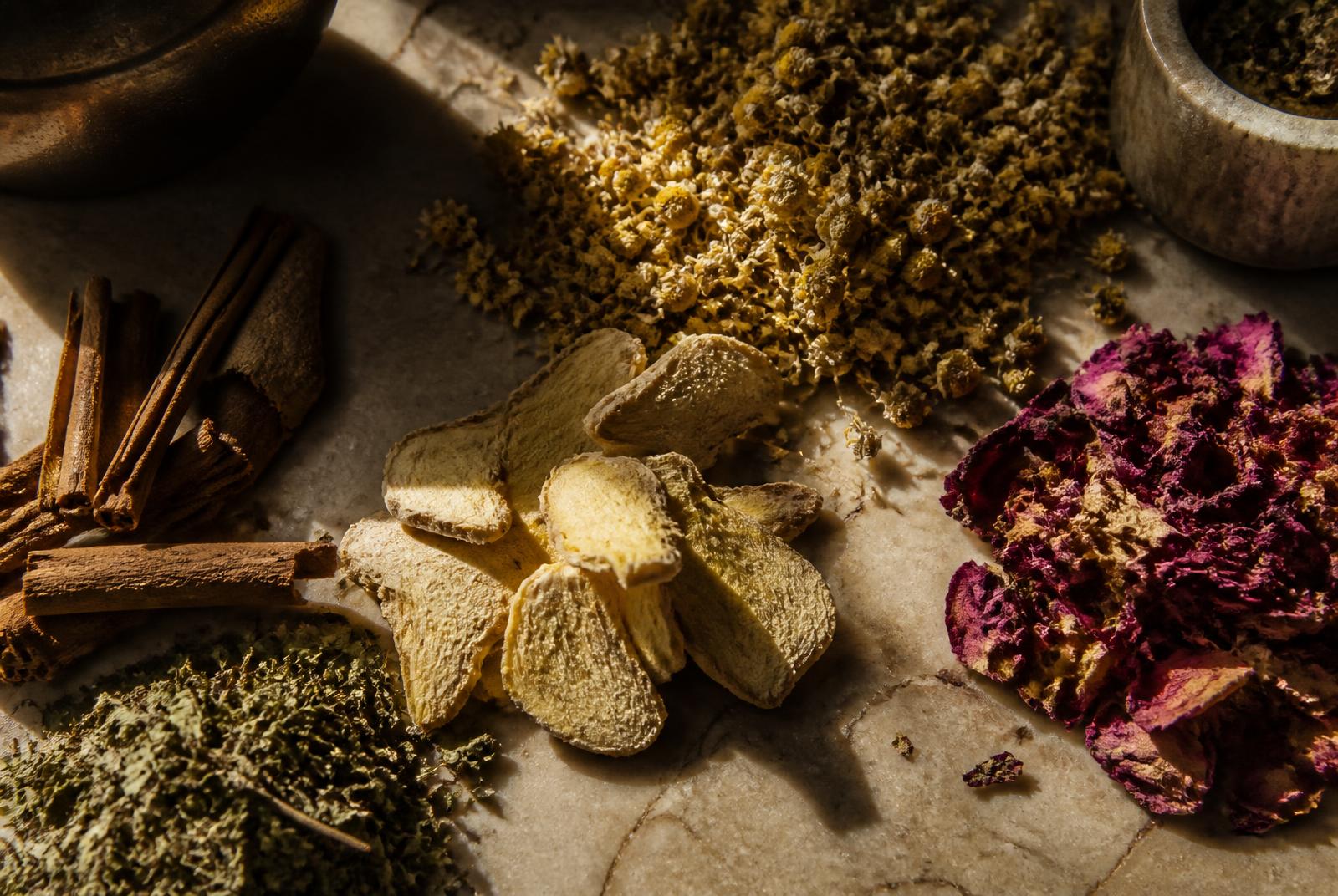
A House botanical study. Not a photograph of a Collection.
How to read an entry
Every entry is labelled with one of three evidence tiers. The label is always shown with the content it describes.
- Evidence tier: Traditional use
- Traditional use: Recorded historical or cultural use. Never stated as a proven effect.
- Evidence tier: Emerging research
- Emerging research: Early or limited study. Study type and limitations are always shown.
- Evidence tier: Established evidence
- Established evidence: Well-supported findings. Citation and review date are always shown.
Browse the catalogue
The botanicals, foods, minerals and fungal materials the Library covers, by name, family and part discussed. Most entries now carry a sourced profile with safety considerations and named references. The remainder publish nomenclature only until their sources are opened and recorded.
100 of 100 botanicals listed.
99 of these entries carry a full profile: identity, forms, safety considerations and named references. The remaining 1 are listed by name, family and part only, and are marked as such, because the House has not yet been able to name an authority for them.
A
- AcerolaMalpighia emarginataMalpighiaceae · Fruit
- Aloe veraAloe veraAsphodelaceae · Leaf gel (and latex)
- AndrographisAndrographis paniculataAcanthaceae · Aerial parts
- AnisePimpinella anisumApiaceae · Seed (fruit)
- ArnicaArnica montanaAsteraceae · Flower
- Artichoke leafCynara scolymusAsteraceae · Leaf
- AshwagandhaWithania somniferaSolanaceae · Root
- Asian ginsengPanax ginsengAraliaceae · Root
- AstragalusAstragalus mongholicus (syn. A. membranaceus)Fabaceae · Root
B
C
- CalendulaCalendula officinalisAsteraceae · Flower
- California poppyEschscholzia californicaPapaveraceae · Aerial parts
- CarawayCarum carviApiaceae · Seed (fruit)
- CardamomElettaria cardamomumZingiberaceae · Seed pod
- CatnipNepeta catariaLamiaceae · Aerial parts
- CayenneCapsicum annuumSolanaceae · Fruit
- Chamomile (German)Matricaria chamomillaAsteraceae · Flower head
- Chaste treeVitex agnus-castusLamiaceae · Fruit
- ChickweedStellaria mediaCaryophyllaceae · Aerial parts
- ChicoryCichorium intybusAsteraceae · Root
- Cinnamon (Ceylon)Cinnamomum verumLauraceae · Inner bark
- CloveSyzygium aromaticumMyrtaceae · Flower bud
- ComfreySymphytum officinaleBoraginaceae · Leaf and root
- Coriander / cilantroCoriandrum sativumApiaceae · Seed and leaf
- Cramp barkViburnum opulusAdoxaceae · Bark
D
E
- EchinaceaEchinacea purpureaAsteraceae · Aerial parts and root
- ElderberrySambucus nigraAdoxaceae · Fruit and flower
- ElecampaneInula heleniumAsteraceae · Root
- Epsom salt (magnesium sulfate)not a botanical— · Mineral saltMineral substance
- EucalyptusEucalyptus globulusMyrtaceae · Leaf (and its oil)
- Evening primroseOenothera biennisOnagraceae · Seed oil
F
G
H
I
J
L
M
N
O
P
R
- Red cloverTrifolium pratenseFabaceae · Flower head
- Red raspberry leafRubus idaeusRosaceae · Leaf
- ReishiGanoderma lingzhiGanodermataceae · Fruiting bodyFungal material
- RhodiolaRhodiola roseaCrassulaceae · Root
- RooibosAspalathus linearisFabaceae · Leaf
- RoseRosa × damascenaRosaceae · Petal
- RosehipRosa caninaRosaceae · Fruit
- RosemarySalvia rosmarinusLamiaceae · Leaf
S
- SageSalvia officinalisLamiaceae · Leaf
- SchisandraSchisandra chinensisSchisandraceae · Fruit
- Sea buckthornHippophae rhamnoidesElaeagnaceae · Fruit and seed oil
- ShatavariAsparagus racemosusAsparagaceae · Root
- SheaVitellaria paradoxaSapotaceae · Seed butterCosmetic and topical material
- Skullcap (American)Scutellaria laterifloraLamiaceae · Aerial parts
- Slippery elmUlmus rubraUlmaceae · Inner bark
T
V
W
Y
Entries
No approved content yet
No Library entry has been approved for publication. An entry appears only when it carries an evidence tier and a citation that resolves to its source.